Stories · Prague
What happened in the Defenestration of Prague?
On 23 May 1618, Protestant nobles threw two Catholic governors and their secretary out of a window at Prague Castle. All three survived the fall.
3 min read

Stories · Prague
On 23 May 1618, Protestant nobles threw two Catholic governors and their secretary out of a window at Prague Castle. All three survived the fall.
3 min read
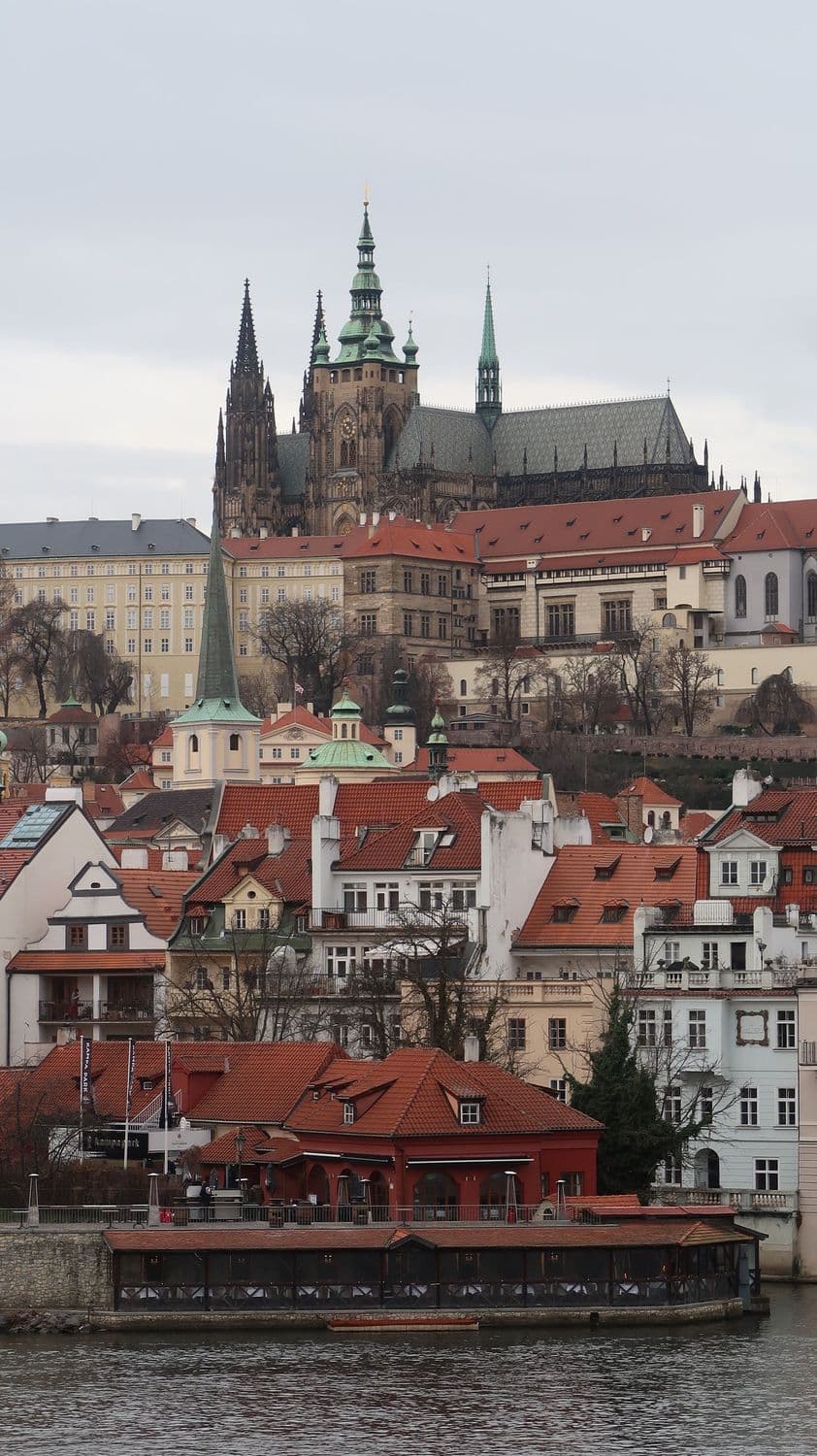
Defenestration means throwing someone out of a window, from the Latin word for window, fenestra. The governors, Jaroslav Bořita of Martinice and Vilém Slavata, were two of the officials who ran Bohemia for the Habsburg emperor. The nobles accused them of breaking a royal promise of religious freedom. Their fall started the Bohemian Revolt, and the war that grew out of it lasted thirty years.
In 1609 the emperor Rudolf II, who was also King of Bohemia, signed the Letter of Majesty. It gave Bohemia's Protestants the right to worship freely.
In 1617 a devoutly Catholic Habsburg, Ferdinand of Styria, was accepted as Bohemia's next king. Protestants feared the promise would not survive him. When Protestant churches at Broumov and Hrob were closed on Catholic orders, the Protestant nobles called an assembly in Prague in May 1618.
On the morning of 23 May 1618, a party of them, led by Count Jindřich Matyáš Thurn, climbed to the Bohemian Chancellery. It was the office of the king's governors, in a wing of the Old Royal Palace built on the castle's ramparts.
There, the nobles declared Martinice and Slavata guilty of violating the Letter of Majesty. They pushed Martinice out of the back room's window first, then Slavata. Their secretary, Filip Fabricius, followed them.
The drop was more than 15 metres, about 50 feet: as high as a five-storey building. All three survived. Slavata was the worst hurt. The governors took refuge in the nearby Lobkowicz family palace, sheltered by Polyxena of Lobkowicz, the wife of Bohemia's chancellor. Fabricius made for Vienna, among the first to bring the emperor's court news of the revolt.
How they lived was argued over at once. Catholic writers said angels, or the Virgin Mary, had broken their fall. The Protestant version, which is the one most people know, has them landing on a heap of rubbish and dung in the castle ditch. Neither can be proved.
Fabricius did best out of it. The emperor later made him a noble with the title von Hohenfall: roughly, "of the high fall".
The revolt that followed went badly for the rebels. In 1619 they chose a Protestant prince, Frederick V of the Palatinate, as their king. On 8 November 1620 his army was crushed at the Battle of White Mountain, outside Prague. Seven months later, 27 leaders of the revolt were executed in Old Town Square. By then the fighting had spread across Europe, and it did not end until 1648.
Prague had thrown people from windows before. In 1419 a crowd of Hussites, followers of the reformer Jan Hus, threw town councillors from the New Town Hall, across the river.
In the Third Courtyard, stand with St Vitus Cathedral at your back and face the Old Royal Palace. The Bohemian Chancellery is inside, in the Ludwig Wing, reached through the great Vladislav Hall on a palace ticket. Its back room still has the window.
Below the palace's south wall, in the Garden on the Ramparts, two small stone obelisks recall the governors' fall.
The Trevlo tour of Prague Castle tells this story in the Third Courtyard, its last stop. It starts at the Castle Steps and passes the guards at the First Courtyard gate. Then it takes in the Second Courtyard, St Vitus Cathedral and the tiny coloured houses of Golden Lane. Six stops, about thirty minutes of listening, at your own pace.
The first stop is free to play on this page, and your first tour in the app is free.