Stories · London
What was the Tate Modern building before?
Tate Modern was Bankside Power Station, an oil-fired power station on the Thames by Giles Gilbert Scott. It shut in 1981 and became a gallery in 2000.
3 min read

Stories · London
Tate Modern was Bankside Power Station, an oil-fired power station on the Thames by Giles Gilbert Scott. It shut in 1981 and became a gallery in 2000.
3 min read
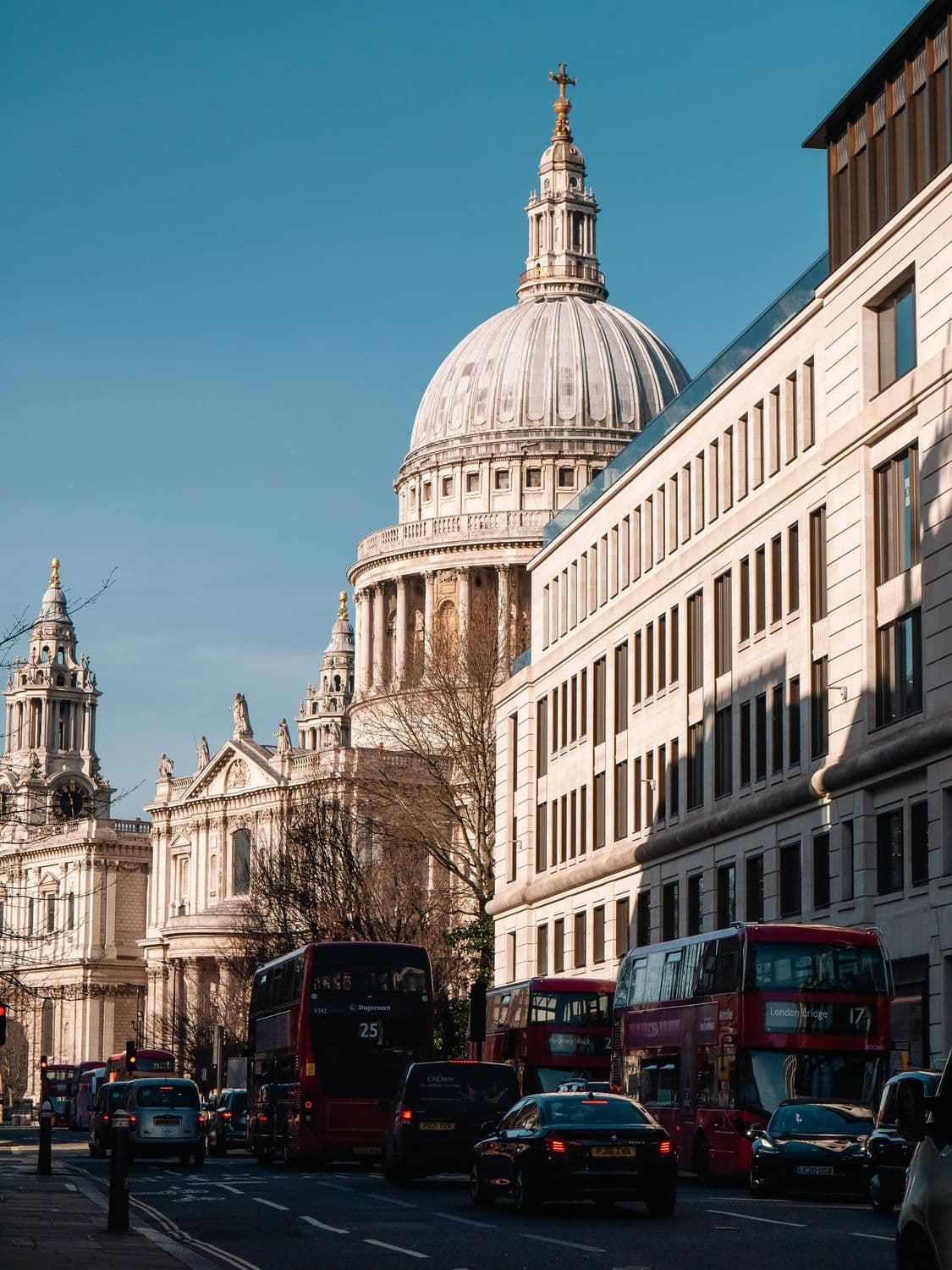
Giles Gilbert Scott was the architect of Britain's red telephone box and of Battersea Power Station, further up the river. Bankside went up in two phases between 1947 and 1963, facing St Paul's Cathedral across the water. It stood empty for almost twenty years before Tate turned it into a gallery of modern art.
Bankside was controversial from the start. A wartime plan for rebuilding London had hoped the South Bank would get offices, flats and places of culture. Instead, the city was getting a power station within sight of Christopher Wren's cathedral.
Scott wrapped the steel frame in some 4.2 million bricks and gave it a single central chimney. He kept the chimney at 99 metres, about 325 feet, so that it stayed lower than the dome of St Paul's.
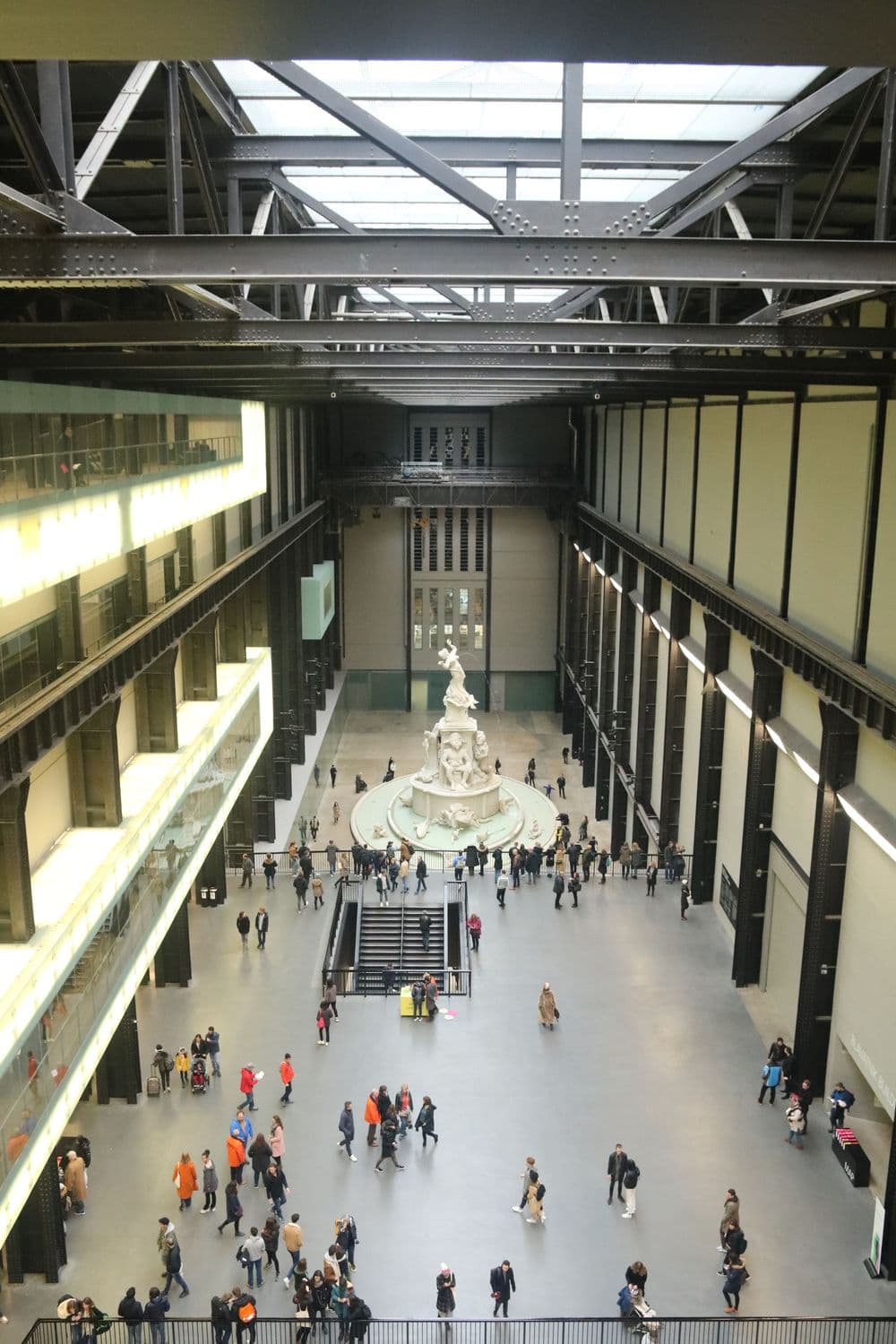
At its heart was a hall as long as one and a half football pitches, built to hold the generators. Bankside burned oil, and oil is what finished it. On 31 October 1981 it shut down, after the price of oil had soared.
For more than a decade the building sat unused beside the Thames. Its future was uncertain. A request to protect it as a listed building was turned down in 1992, and demolition was a real threat.
The Twentieth Century Society, a group that campaigns for modern buildings, kept arguing for it. The owners wouldn't let Tate look round. So the society's chairman, the architectural historian Gavin Stamp, showed Tate's deputy director, Francis Carnwath, round the building incognito.
On 28 April 1994, Tate announced Bankside as the site of its new gallery of modern art. Early the next year, the Swiss architects Herzog & de Meuron won the competition to convert it. They kept Scott's brick shell and stripped out the machinery. On the roof they added a long box of glass, two storeys high, that glows at night.
Queen Elizabeth II opened Tate Modern on 11 May 2000. In its first year it had 5.25 million visitors, about twice as many as Tate's three other galleries together had drawn the year before.
The power station never fully left. An electricity substation kept working in the southern third of the building after the gallery opened. Its three underground oil tanks became gallery space in 2012. In 2016 the Blavatnik Building, a new tower clad in a lattice of brick, opened above them.
The first artist to fill the Turbine Hall was the sculptor Louise Bourgeois, in 2000. Her giant steel spider and three towers set the pattern for one huge commission a year.
Go into the Turbine Hall, the vast hall just inside the main entrance. It is 155 metres, about 500 feet, long and as high as a ten-storey building. The generators stood here. Look up for the overhead travelling crane under the roof, left from the power station and since used to hang art.
The Trevlo tour of Tate Modern tells this story in the Turbine Hall, its first stop. From there it crosses the bridge over the hall and visits the Picasso gallery, the Francis Bacon gallery and the contemporary collection. It ends on the Level 10 terrace over the Thames. Six stops, about twenty-eight minutes of listening, at your own pace.
The first stop is free to play on this page, and your first tour in the app is free.