Stories · London
Why is Big Ben called Big Ben?
Big Ben is the great bell inside the Elizabeth Tower, nicknamed after Sir Benjamin Hall, who was in charge of the bell's making as Commissioner of Works.
3 min read

Stories · London
Big Ben is the great bell inside the Elizabeth Tower, nicknamed after Sir Benjamin Hall, who was in charge of the bell's making as Commissioner of Works.
3 min read
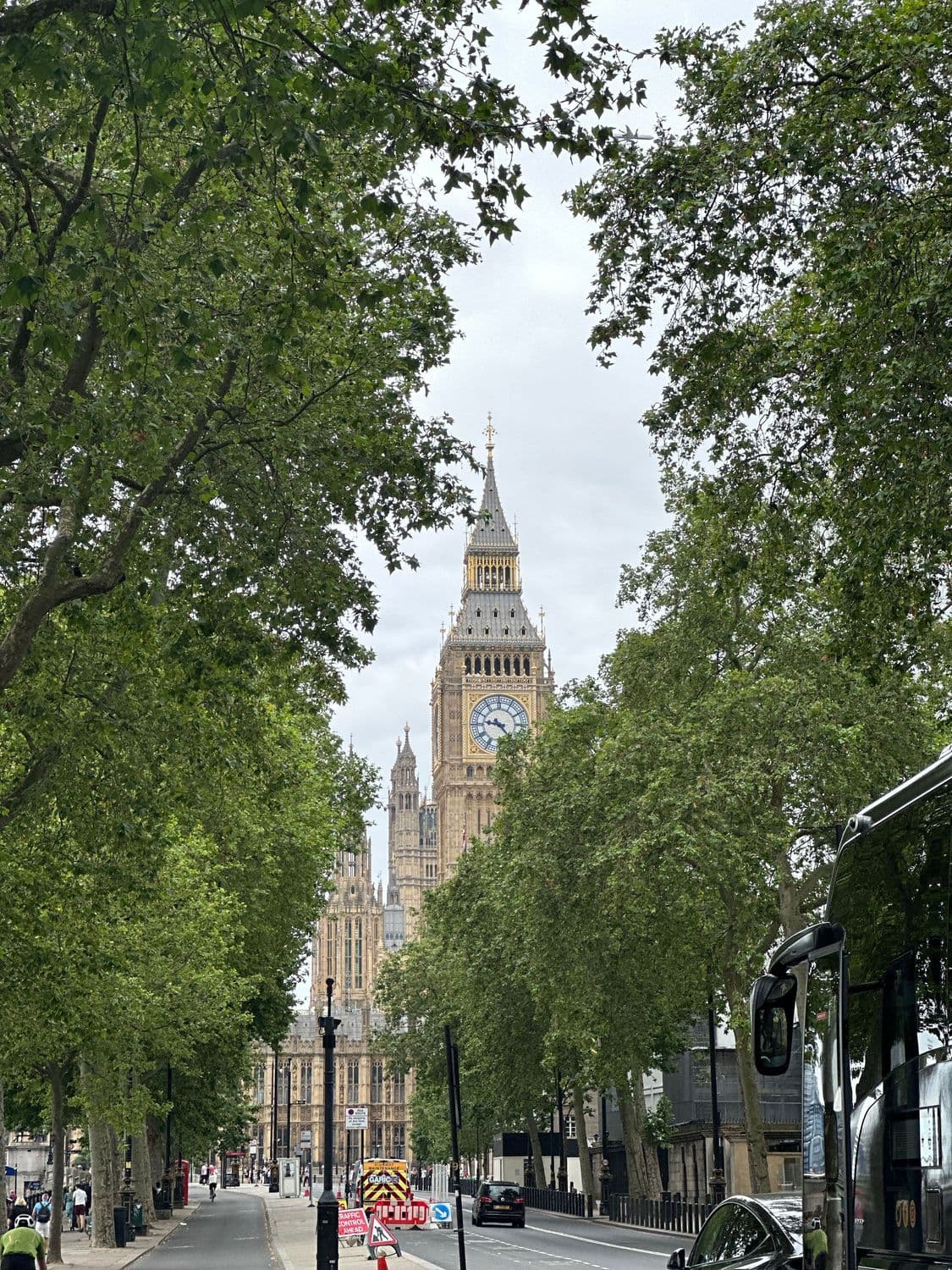
The name first appeared in The Times on 22 October 1856, which proposed calling the new bell "Big Ben" in Hall's honour. Its official name is the Great Bell. The nickname soon spread to the clock and the tower. The tower itself was the Clock Tower until 2012, when it was renamed Elizabeth Tower for Queen Elizabeth II's Diamond Jubilee.
Sir Benjamin Hall was a Welsh MP and, from 1855 to 1858, First Commissioner of Works: the minister in charge of public buildings, including the new Houses of Parliament rising after the fire of 1834. His name was cast into the first bell's inscription.
There is a rival story. Ben Caunt, the heavyweight boxing champion of England, stood 6 feet 2 inches tall and was also known as Big Ben. He fought his last fight in 1857, a draw after sixty rounds. The earliest newspaper reports, though, all point to Hall.
Another popular tale has Hall making a long speech in the Commons about the bell's name, until a member shouted that it should be called Big Ben. There is no trace of it in Hansard, the official record of debates.
The first bell was cast near Stockton-on-Tees, in the north of England, by John Warner and Sons on 6 August 1856. It weighed about 16 tonnes and came to London by rail and sea. It was hung on a frame in New Palace Yard, at the foot of the unfinished tower, and struck every day to test it.
On 17 October 1857 it cracked, a split about 1.2 metres (4 feet) long. The metal was broken up and recast at the Whitechapel Bell Foundry in east London. The new bell, cast on 10 April 1858, weighed 13.7 tonnes, about as much as two elephants. Sixteen horses pulled it to Westminster, and hauling it 61 metres (200 feet) up the tower took 18 hours.
Big Ben first struck the hours on 11 July 1859. In September it cracked too. The founder, George Mears, blamed the hammer. He said Edmund Beckett Denison, the lawyer and amateur clockmaker who designed the clock, had used one more than twice the weight allowed.
For about three years the hours were struck on the largest of the four smaller quarter bells. In 1863 George Airy, the Astronomer Royal, found a fix. The bell was given an eighth of a turn, so a new, lighter hammer struck a fresh spot. A small square was cut out at the end of the crack to stop it spreading.
The crack was never mended. Big Ben has rung with it ever since, and the crack is often said to give the bell its slightly rough tone.
Stop in the middle of Westminster Bridge, with the tower in full view upstream. Look up at the arched openings just above the clock faces. That is the belfry, where Big Ben hangs among its four quarter bells, cracked side and all.
The Trevlo Westminster walk tells this story on Westminster Bridge, its fourth stop. It starts at the twin towers of Westminster Abbey, crosses Parliament Square and the bridge steps, and ends on the South Bank, looking back across the river at Parliament. Five stops, about twenty-four minutes of listening, at your own pace.
The first stop is free to play on this page, and your first tour in the app is free.