Stories · Paris
What happened in Montmartre?
The Paris Commune began there on 18 March 1871, when troops sent to seize the hill's cannons had no horses to move them and refused to fire on the crowd.
3 min read

Stories · Paris
The Paris Commune began there on 18 March 1871, when troops sent to seize the hill's cannons had no horses to move them and refused to fire on the crowd.
3 min read
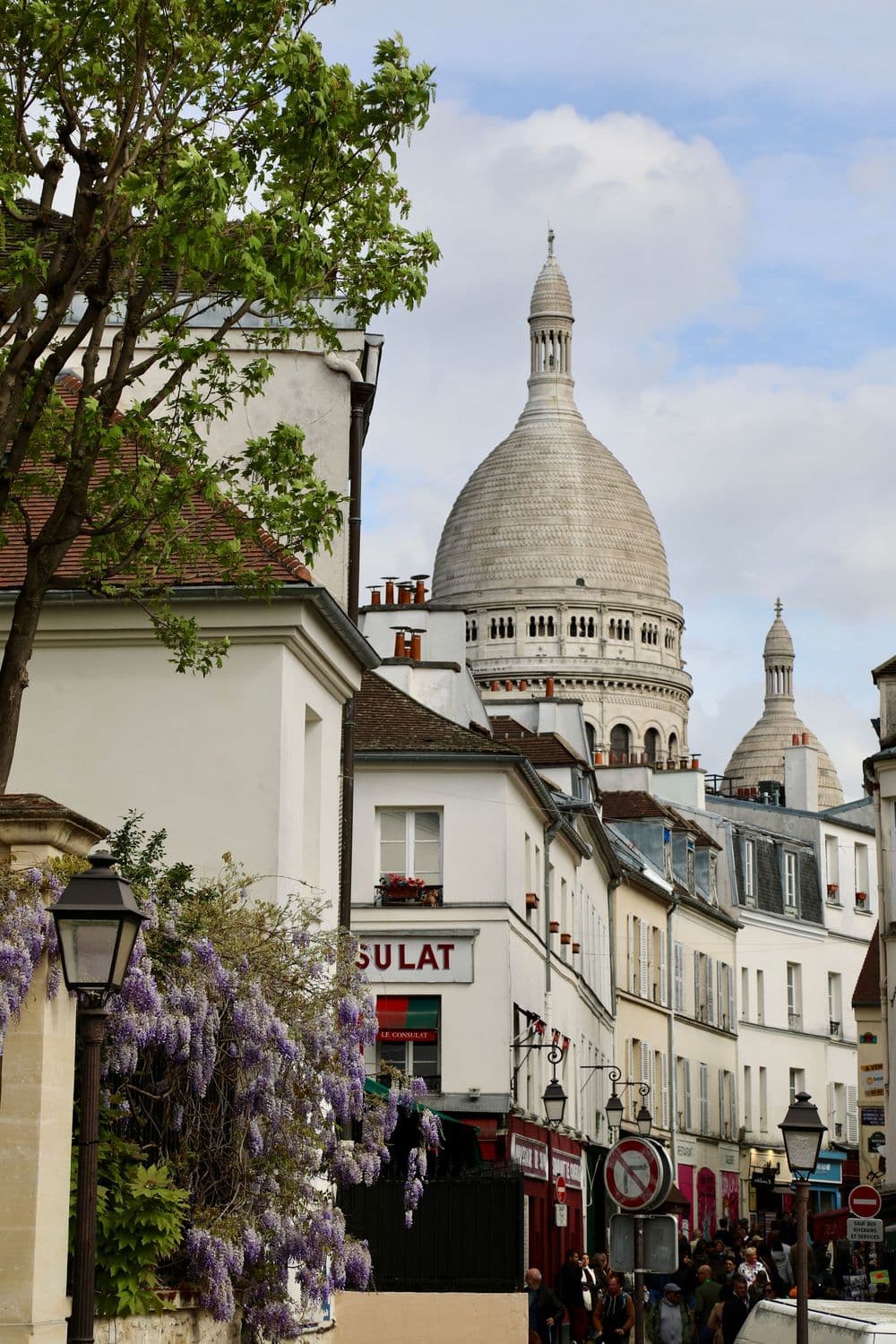
The Paris Commune began on top of Montmartre, on the morning of 18 March 1871. Soldiers climbed the hill before dawn to take back the cannons parked there, nobody had brought enough horses to pull them away, and by the afternoon the soldiers had sided with the crowd, two generals were dead and the government had fled Paris. The hill is better known for windmills and painters, but that morning changed French history.
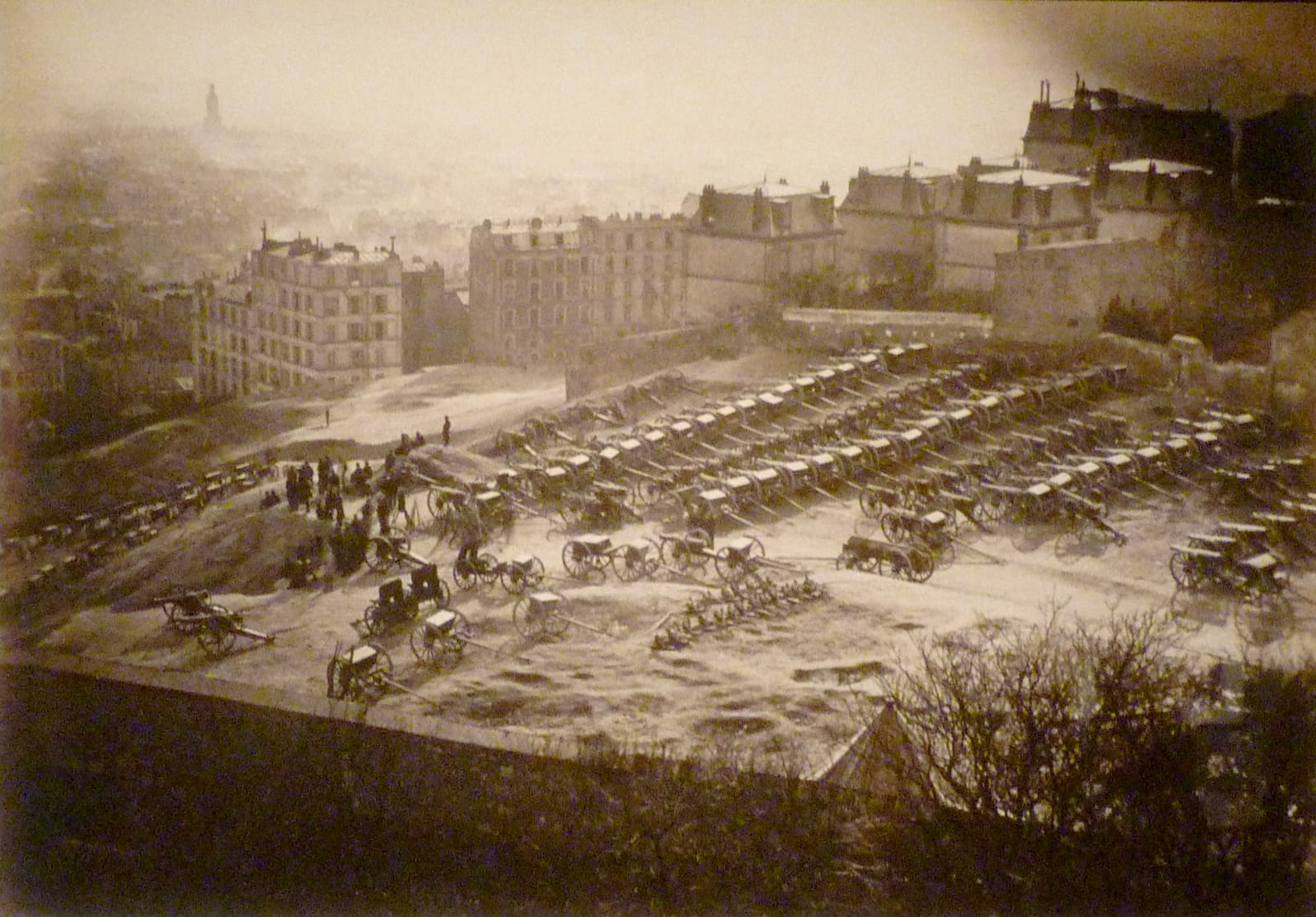
The guns belonged, in a sense, to Paris. During the Prussian siege of 1870, the city had raised the money for them itself, for its own citizen militia, the National Guard. When France surrendered, the Guard hauled about 170 of them to the summit, roughly where the white basilica stands now, out of reach of the Prussians and of the new government too.
That government, led by Adolphe Thiers, wanted them back. Several thousand troops climbed the steep lanes in the dark, and a brigade under General Claude Lecomte shot the one sentry at the top and seized the Guard post in rue des Rosiers. By six the hilltop was theirs. Then everything stopped. The horse teams hadn't turned up, nor enough harness to hitch them, and the soldiers waited for hours while Montmartre woke up around them.
The women came out first, surrounded the guns and demanded to know what the soldiers thought they were doing. Louise Michel, a schoolteacher who had spent the night at the Guard post, ran down to raise the alarm and came back up with the crowd while the bells rang. She wrote later that they expected to die for liberty, and that on the way up she suddenly found her own mother beside her.
Lecomte told his troops to shoot. A sergeant stepped forward and shouted over him, "Crosse en l'air!", turn your rifles upside down, a soldier's way of refusing to fire. The ranks obeyed, and some wandered off singing with the townspeople. By eleven, just ten cannons had left the hill.
The afternoon turned ugly. Lecomte and a second general, Clément-Thomas, recognised in plain clothes and loathed since he helped put down the workers of 1848, were pushed into the garden behind the house at number 6 rue des Rosiers and shot, mostly by soldiers. Thiers took his government off to Versailles, and Paris elected its own council, the Commune, which ran the city for ten weeks.
In the last week of May the army fought its way back, and at least six or seven thousand Communards died; some historians count far more. One was Eugène Varlin, brought to that same garden and shot. It took two volleys, and in between he cried "Long live the Commune!"
The vow to build the Sacré-Cœur came before all this, as the basilica points out. But the hilltop was chosen afterwards, and at the first stone in 1875 Hubert Rohault de Fleury, one of its founders, said the church would rise where the Commune began.
Thus it is that the basilica, erected on high in part to commemorate the blood of two recent martyrs of the right, commemorates unwittingly in its subterranean depths a martyr of the left.
Rue des Rosiers is now rue du Chevalier-de-La-Barre, the quiet street behind the basilica, and the house is gone. Stand by number 36 and look up over the wall at the domes: they rise from the ground where the cannons stood.
Trevlo's Montmartre walk climbs from Place des Abbesses past Picasso's studio, the last windmills and the Lapin Agile to the top of the hill: 11 stops, about 47 minutes of listening. The tenth stands in the street where that March morning happened, and the last on the steps of the Sacré-Cœur.
A free preview of the tour plays on this page, and your first tour in the app is free.