Stories · Paris
Why was the Palace of Versailles built?
Louis XIV turned his father's hunting château into a palace so he could rule France from outside Paris, a city he'd feared since fleeing it as a boy.
3 min read

Stories · Paris
Louis XIV turned his father's hunting château into a palace so he could rule France from outside Paris, a city he'd feared since fleeing it as a boy.
3 min read
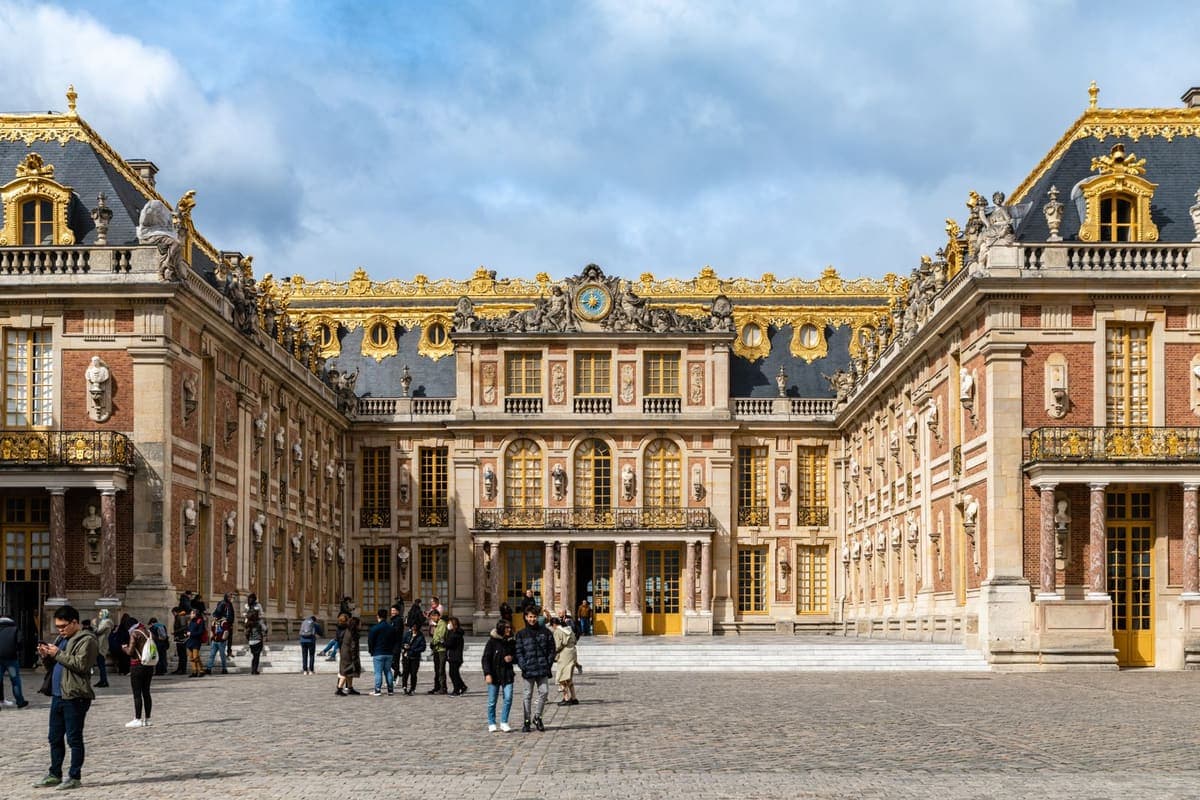
Versailles was built because Louis XIV wanted to govern France from outside Paris. He turned his father's small hunting château, about twenty kilometres away, into a palace, and on 6 May 1682 settled the court and the government there for good. Paris stayed the official capital, but France was run from Versailles until 1789. The palace's own historians trace it back to his childhood fear of Paris, and the Duc de Saint-Simon, who knew him, said the king never forgave the city for one night in particular.
It was the eve of Twelfth Night, 1649. Paris had risen against the crown in the civil war called the Fronde, and the king was ten. At the Palais-Royal his mother, Anne of Austria, cut the cake with her ladies, secretly planning to leave the city that night. She later confessed she could hardly keep from laughing. At three in the morning Louis and his younger brother were roused, led down a back stair to the garden and driven off to Saint-Germain. Beds had been sent ahead for the queen and the king, but the court arrived with no linen or servants and almost everyone lay on straw, and within hours straw in Saint-Germain could not be had for money.
In February 1651 a rumour spread that the queen meant to slip away with him again. Close to midnight, armed townspeople ringed the palace and insisted on seeing the king. His mother ordered every door thrown open and had them shown to his room, where they gathered round the twelve-year-old and watched him sleep.
They stood around the king's bed, the curtains of which had been opened, and, returning once more to a spirit of affection, gave him a thousand benedictions.
It was said later that he had only pretended to sleep, though she never says so.
Saint-Simon listed more reasons. Louis loved to hunt and loved to build. Mistresses caused less scandal far from a packed capital. And he believed, Saint-Simon wrote, that a king the crowd rarely saw would be held in greater awe. Historians long added a gilded cage for taming the nobility, though recent research finds most noble families did well out of life at court.
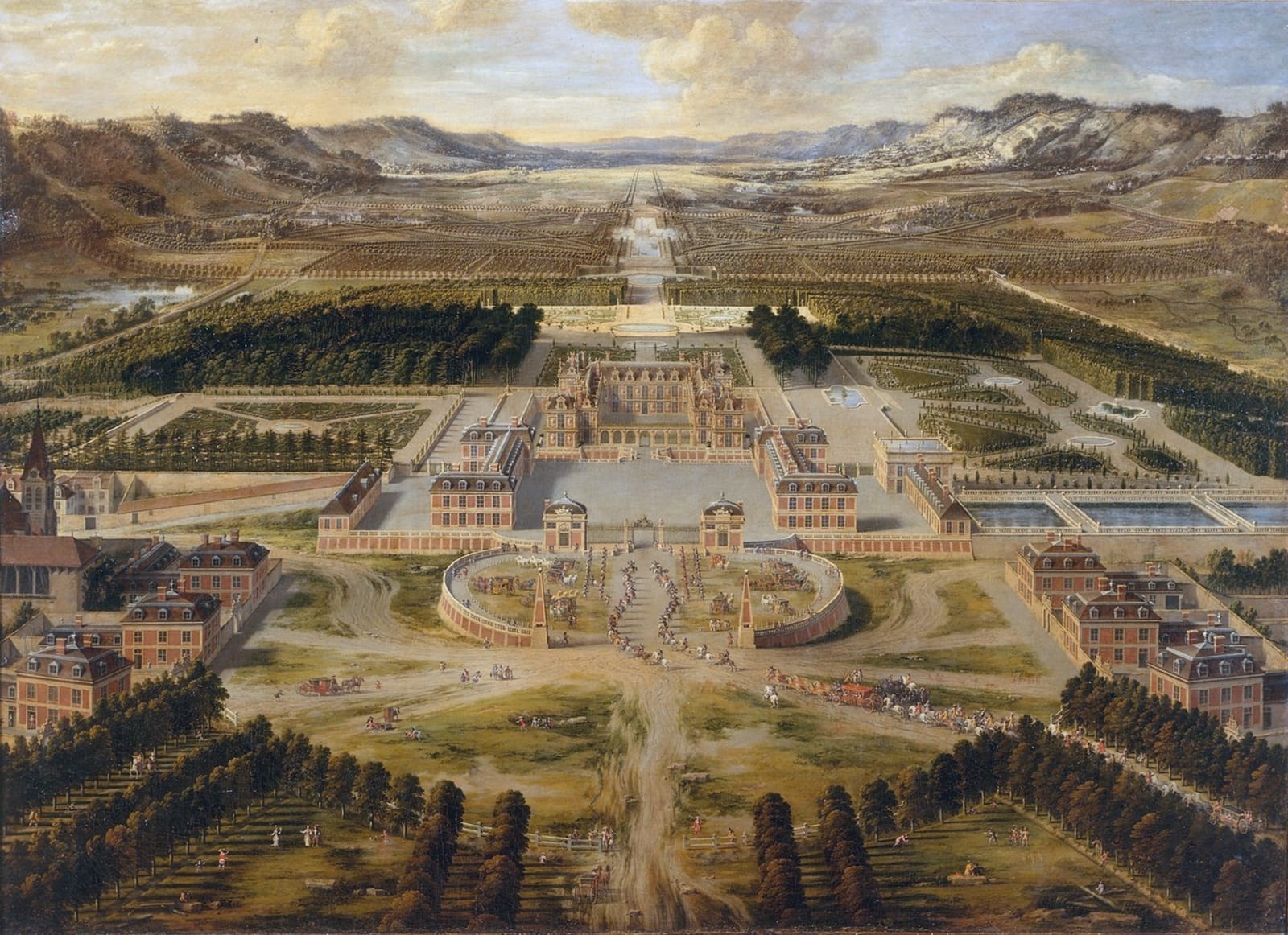
His father's house was modest. Louis XIII first put up a lodge there, most likely to avoid the village inn on nights he couldn't get home from hunting, and a courtier defending him against charges of extravagance called it a house no ordinary gentleman would boast of. In the early 1630s he rebuilt it in brick and stone. As the palace grew, Colbert and most of the court urged the king to demolish it, warning that its walls were cracked and bowing. Louis suspected a scheme. Charles Perrault, Colbert's chief clerk, wrote down his angry reply: "Do as you please, but if you knock it down, I will have it rebuilt exactly as it is, without changing a thing." Louis seems to have visited the place only once as a small boy, and he never explained why it mattered to him.
In 1701, half a century after that night at the Palais-Royal, he moved his bedroom to the centre of the palace and knocked through a wall, because the old room could barely hold the courtiers who gathered to see him rise and retire.
Go up the five steps into the Marble Courtyard and face the red brick and pale stone: his father's château, which he wouldn't let them pull down. The three tall windows behind the balcony on red marble columns were his bedroom.
Palace of Versailles: Power Made Stone has 14 stops, about 55 minutes of listening. The Marble Courtyard is stop 2, and the throne room stop 5.
A free preview of the tour plays on this page, and your first tour in the app is free.