Stories · Seoul
When was Gyeongbokgung Palace destroyed?
Gyeongbokgung Palace, Seoul's main royal palace, burned in 1592 during a Japanese invasion. After 1910, Japan's colonial rulers took most of it apart.
3 min read

Stories · Seoul
Gyeongbokgung Palace, Seoul's main royal palace, burned in 1592 during a Japanese invasion. After 1910, Japan's colonial rulers took most of it apart.
3 min read
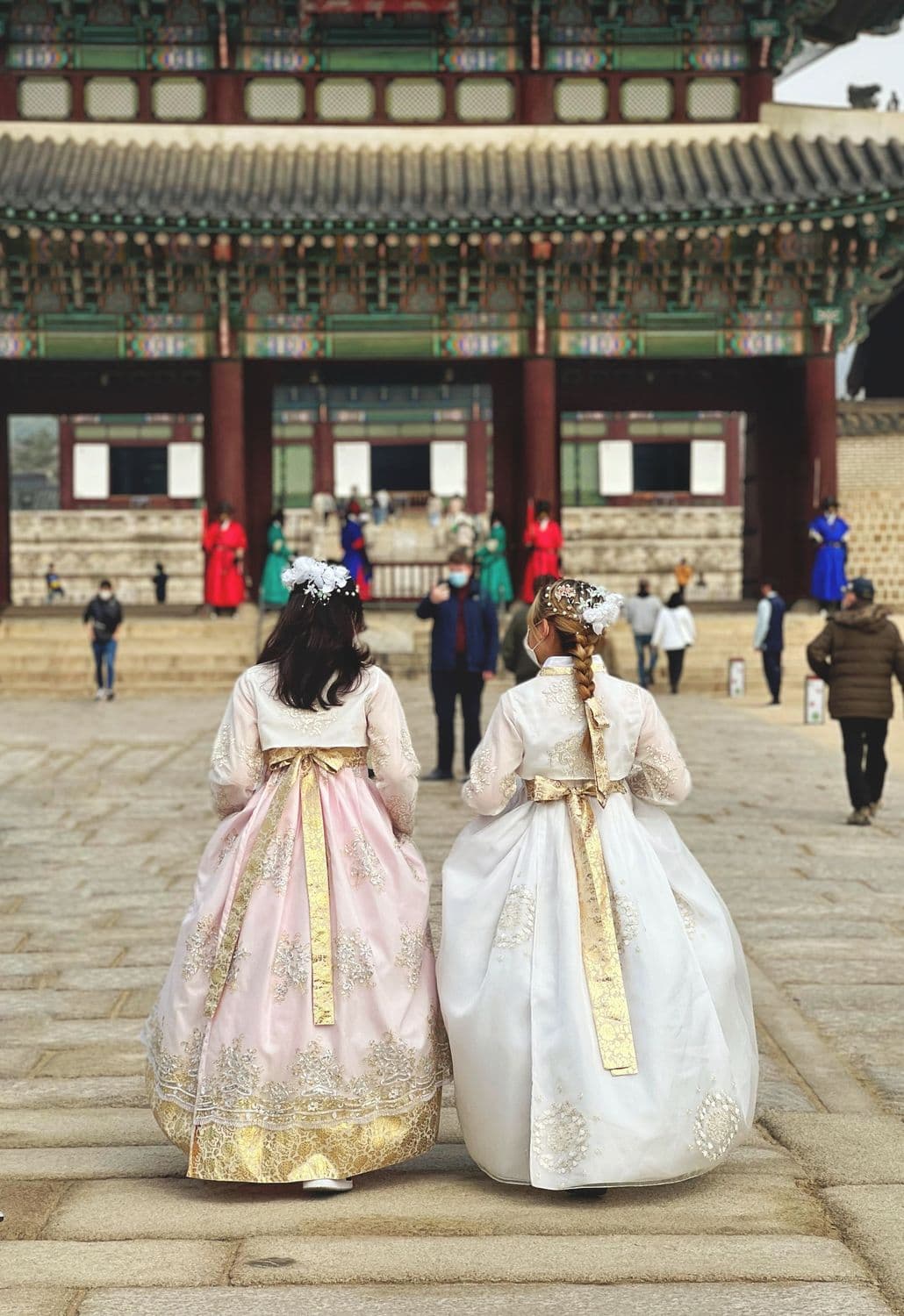
The first time, the palace burned to the ground and lay in ruins for about 270 years. The second time was slower. Under Japanese rule, almost all of its roughly 500 buildings were pulled down or sold off, and by 1945 only about 40 were left. Many of the buildings you walk through today have been rebuilt since 1990.
Gyeongbokgung was built in 1395 for the Joseon dynasty, which ruled Korea for five centuries. The scholar-official Jeong Do-jeon chose its name, which means roughly "palace greatly blessed", a wish for the new dynasty.
In 1592 a Japanese army, sent by the warlord Toyotomi Hideyoshi, landed in Korea and marched on Seoul. King Seonjo fled north before it arrived. Gyeongbokgung and the city's other palaces went up in flames.
Who lit the fire is still argued over. Korean records repeat hearsay that Seoul's own people set the palaces alight, some say to burn the government's registers of slaves. Japanese accounts describe finding the palace still standing when they marched in. Either way, Korea's kings moved to other palaces after the war, and Gyeongbokgung stayed a ruin.
In 1863 a boy of eleven became King Gojong. His father, known by his title the Heungseon Daewongun, ran the government for him and set out to bring the palace back. Work began in 1865.
Paying for it was the hard part. The Daewongun pressed so-called voluntary contributions out of the wealthy. In 1866 he issued a new coin, the dangbaekjeon, officially worth a hundred ordinary coins. It was worth nothing like that, and prices soared. The palace still got built, and Gojong moved in in 1868.
The rebuilt palace had a short life as a royal home. In 1895 Gojong's queen, Empress Myeongseong, was killed by Japanese agents in its northern quarters. The next year Gojong fled to the Russian legation and never lived there again.
After Japan annexed Korea in 1910, the colonial government set about dismantling the palace, a symbol of the Korean monarchy. Halls were demolished or sold and carried away. In 1915 much of the ground was cleared for an industrial exhibition.
Then the colonial government built its own headquarters right in front of the throne hall: the Government-General Building, a vast stone block with a dome, finished in 1926. Gwanghwamun, the palace's main gate, was moved aside to the east.
Korea took the palace back slowly. The Korean War burned the wooden top of Gwanghwamun. The colonial headquarters stood until 15 August 1995, Liberation Day, 50 years after the end of Japanese rule, when its dome was lowered to the ground in front of cheering crowds. The rest was gone by November 1996.
Walk through Gwanghwamun into the first courtyard and stop facing Heungnyemun, the second gate, with its three doorways. The colonial headquarters was built on this spot, in front of the throne hall beyond. Heungnyemun itself was pulled down in 1916 to make room for it, and rebuilt here between 1997 and 2001.
Turn back to Gwanghwamun as you leave. Rebuilt in wood and stone on its original line, it reopened on 15 August 2010.
The Trevlo tour of Gyeongbokgung Palace tells the story of both destructions at Heungnyemun Gate, its second stop. It starts at Gwanghwamun Gate, then visits the Geunjeongjeon Throne Hall, the Gangnyeongjeon royal quarters and the Gyeonghoeru Pavilion over its pond, before ending back at Gwanghwamun. Six stops, about thirty-two minutes of listening, at your own pace.
The first stop is free to play on this page, and your first tour in the app is free.