Stories · Paris
Why wasn't the Eiffel Tower taken down?
The Eiffel Tower had a 20-year permit, to 1909. Gustave Eiffel made it useful for science and army radio, and in 1910 Paris renewed it for 70 years.
3 min read

Stories · Paris
The Eiffel Tower had a 20-year permit, to 1909. Gustave Eiffel made it useful for science and army radio, and in 1910 Paris renewed it for 70 years.
3 min read
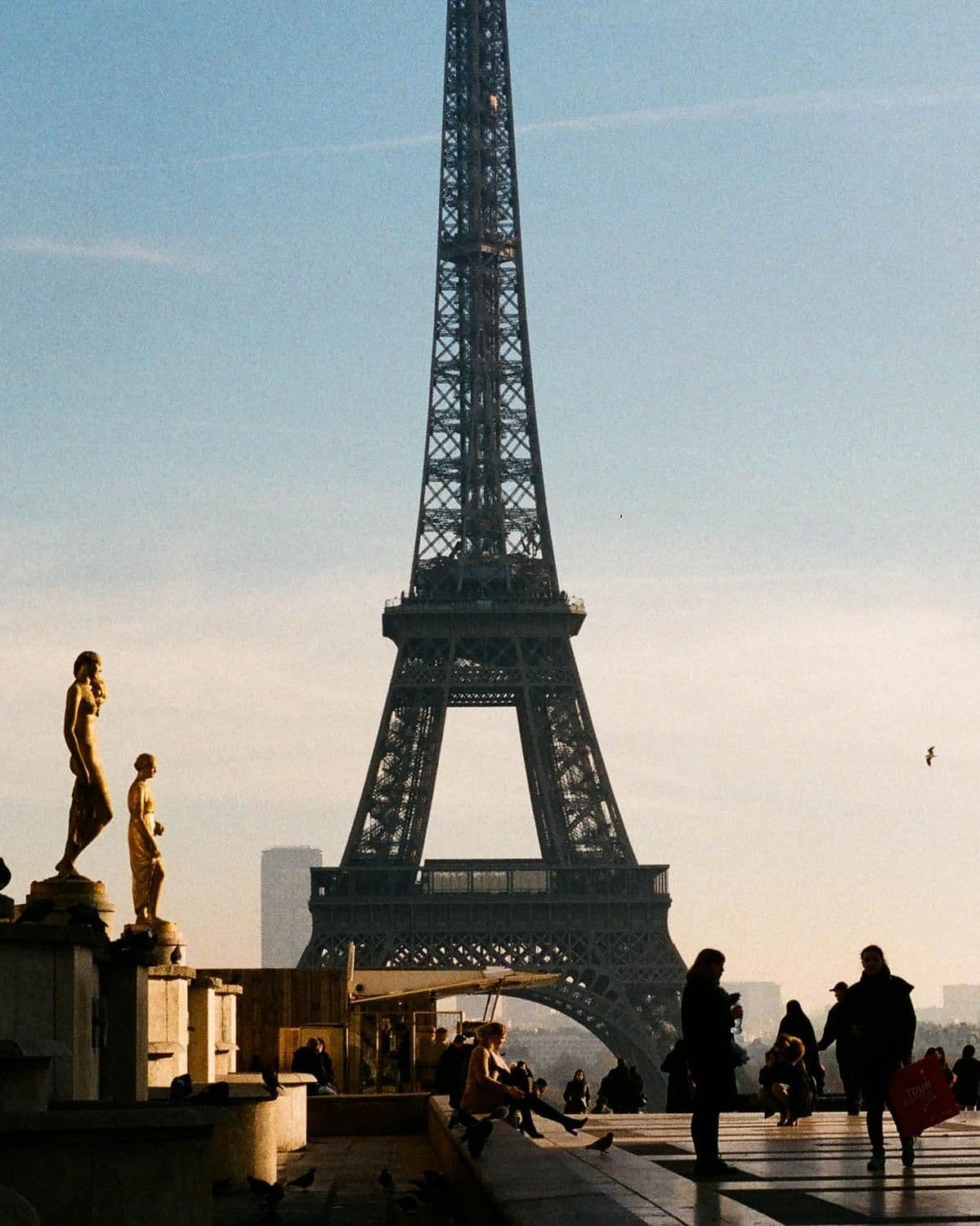
The tower went up for the World's Fair of 1889 on a twenty-year deal. The French state put in 1.5 million francs, a fraction of the cost. Gustave Eiffel, the engineer whose firm built it, found the rest, and in return could run the tower and keep its income. On 1 January 1910 it was due to pass to the City of Paris, which could pull it down.
Two years before it opened, Paris's most famous artists had already tried to stop it. On 14 February 1887 the newspaper Le Temps printed a protest signed by forty-seven artists, writers and architects. Among them were Charles Garnier, who designed the Paris Opera, and the writer Guy de Maupassant. They called the tower "useless and monstrous".
The government stood by the project, and the tower was finished in March 1889. Nearly two million people went up it during the fair. The permit still ran out in twenty years, and Eiffel set about proving the tower useful.
He paid for weather instruments at the top. In 1903 he strung a cable from the second floor to the ground to study how falling objects meet the air. Near the end of the permit, in 1909, he built one of the first wind tunnels at the foot of the tower to test shapes for aircraft.
Radio turned out to matter most. On 5 November 1898 an instrument maker, Eugène Ducretet, sent Morse code by wireless from the tower to the Panthéon, about 4 kilometres (2.5 miles) away.
In 1903 Eiffel offered the tower to Captain Gustave Ferrié, an army engineer studying wireless for the military. Ferrié strung aerials from the top. By 1908 his signals reached about 6,000 kilometres (3,700 miles), roughly the distance from Paris to New York. In 1909 a permanent military radio station was built underground, beneath the Champ de Mars.
A tower that could talk to ships and distant army posts was worth more standing than as scrap iron. From 1 January 1910, the City of Paris renewed Eiffel's concession for another seventy years.
Four years later, the radio station proved its worth. In September 1914, as the German army closed in on Paris, operators at the tower were listening to German radio traffic.
According to the tower's own history, they picked up that a German cavalry commander, General von der Marwitz, was halting his advance. That helped the French plan their counter-attack at the Marne, the battle remembered for soldiers rushed to the front in Paris taxis.
Go through the security check in the glass wall and walk beneath the tower to the north leg, the one nearest the river. At its foot is a gold bust of a bearded man: Gustave Eiffel, by the sculptor Antoine Bourdelle, unveiled in 1929.
From beside the bust, look up at the aerials crowded around the very top. Radio and television signals still go out from there.
The Trevlo tour of the Eiffel Tower ends with this story at Eiffel's gold bust. On the way it covers the sketch Eiffel bought from his own engineers, the artists' protest and the climb to raise the flag in 1889. Then comes Thomas Edison's visit to the apartment at the top. Five stops, about ten minutes of listening, at your own pace.
The first stop is free to play on this page, and your first tour in the app is free.